
Legacy Diamond Targets
Alongside its new AI-driven ventures, BMIN has sustained and advanced its legacy diamond projects in Botswana, offering a solid foundation and potential for when diamond market conditions improve. The two main legacy assets are the holdings inherited from the Sekaka Diamonds acquisition (including the KX36 discovery and surrounding prospects) and the Maibwe joint venture in the Kalahari.
Sekaka Diamonds and KX36. Sekaka was Petra Diamonds’ former exploration subsidiary in Botswana, which BMIN acquired in 2020. Through this, BMIN gained full ownership of KX36, a high-grade kimberlite pipe, along with Sekaka’s exploration licences and a fully operational kimberlite bulk sampling plant on site. KX36 is a 3.5-hectare kimberlite located in the Central Kalahari, approximately 70 km from what was Gem Diamonds’ Ghaghoo mine and around 260 km northwest of Gaborone. It has undergone extensive work, including core drilling and large-diameter drilling for bulk samples. It has a SAMREC-compliant resource: 17.9 million tonnes in the Indicated Category at 35 cpht (carats per hundred tonnes), plus 6.7 Mt in the Inferred Category at 36 cpht, with an estimated average diamond value of around $65/ct (2016 figures). This equates to roughly 12–13 million carats in situ, a significant Diamond Resource. During the 2024–2025 reporting year, BMIN has been reassessing this deposit, exploring ways to optimise its economics, such as improving grade through advanced processing or considering innovative mining techniques for this remote location.
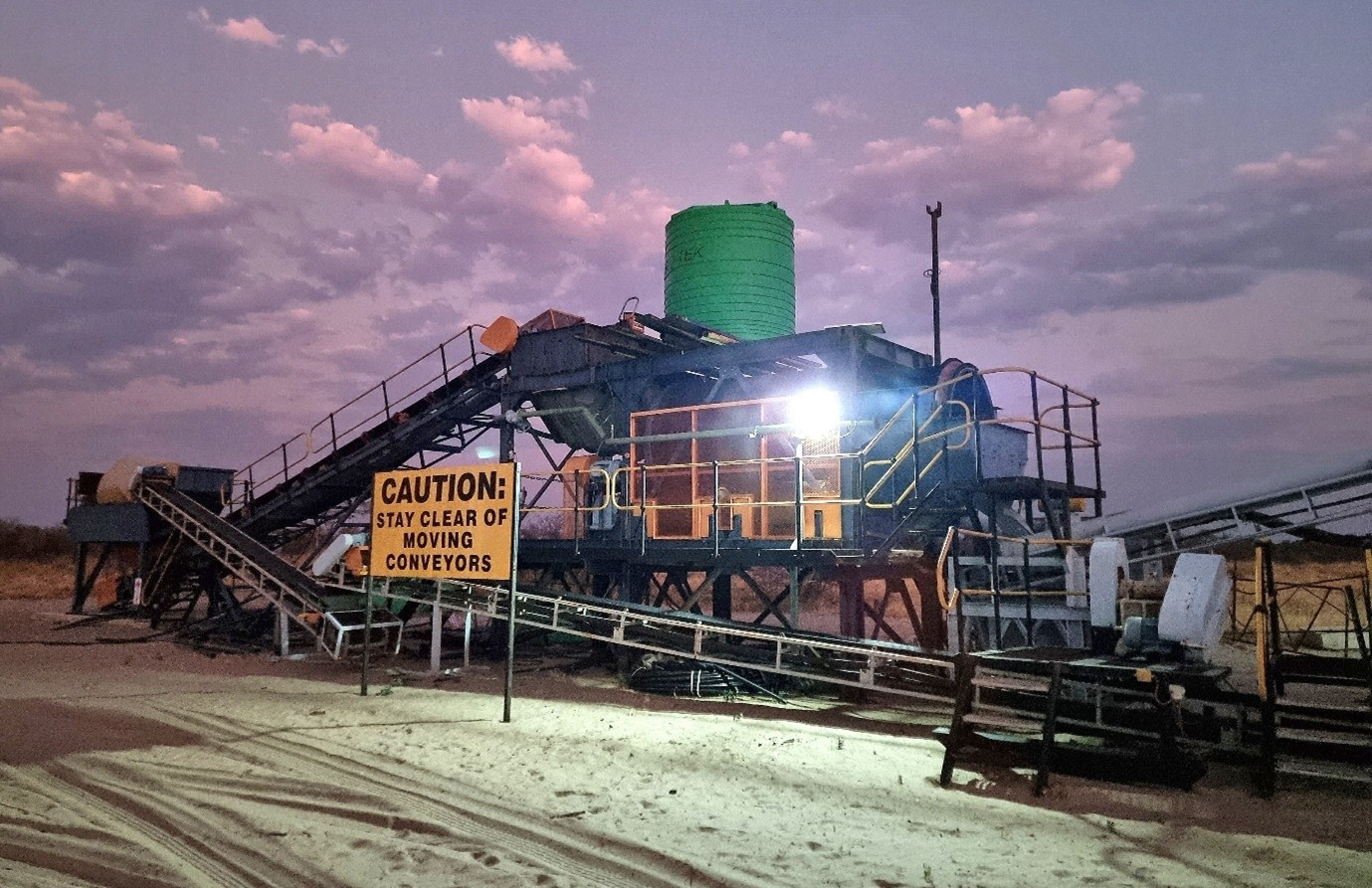
Figure 5: KX36 processing plant, Central Kalahari, Botswana
Critically, as noted earlier, the Sekaka database review identified four high-interest anomalies within a 6 km radius of KX36. These are likely kimberlite targets that could contribute satellite resources to KX36 if confirmed. Drilling authorisation has been granted for these targets. Renewing the key Sekaka licences (PL 224/2007 and PL 169/2019) until the end of 2026 ensures BMIN has the capacity to drill and evaluate these anomalies. If any prove to be diamondiferous, they could “upgrade” the KX36 project by increasing total resources or enhancing overall economics through shared infrastructure. Even if they do not, KX36 itself remains a valuable asset for the future – an independently verified diamond resource in Botswana is rare for a junior. For now, given subdued diamond prices, BMIN has prudently avoided rushing into expensive development but remains prepared for when conditions improve. The on-site bulk sampling plant is an added advantage, as it reduces the cost and effort required for further large-scale sampling on KX36 or nearby targets.
Maibwe Joint Venture. Maibwe is a diamond joint venture in the Kalahari that BMIN became involved in through its associated company, Siseko Minerals. Historically, Maibwe was a joint venture between Botswana’s state-owned copper and nickel miner BCL (now in liquidation), Future Minerals (a local private company), and Siseko. Recently, Siseko (51.7% owned by BMIN) increased its share in Maibwe from 29% to 50% during 2023/24. BMIN now holds around a 25.85% indirect interest in the Maibwe diamond licences (50% via Siseko, with BMIN owning approximately 51.7% of Siseko). Maibwe’s assets include several prospecting licences in the Kalahari, notably PL186, where four kimberlite pipes were discovered in 2015. These pipes, roughly 5 ha, 6 ha, 2 ha, and 1 ha, were found to contain diamonds, with one pipe yielding significant numbers of microdiamonds during sampling. This suggests that at least one of them could be economically viable if larger diamonds are present. Work halted when BCL (the majority stakeholder) went into liquidation, but BMIN’s increased stake and the renewal of licences (completed in 2024) create potential for resuming exploration.
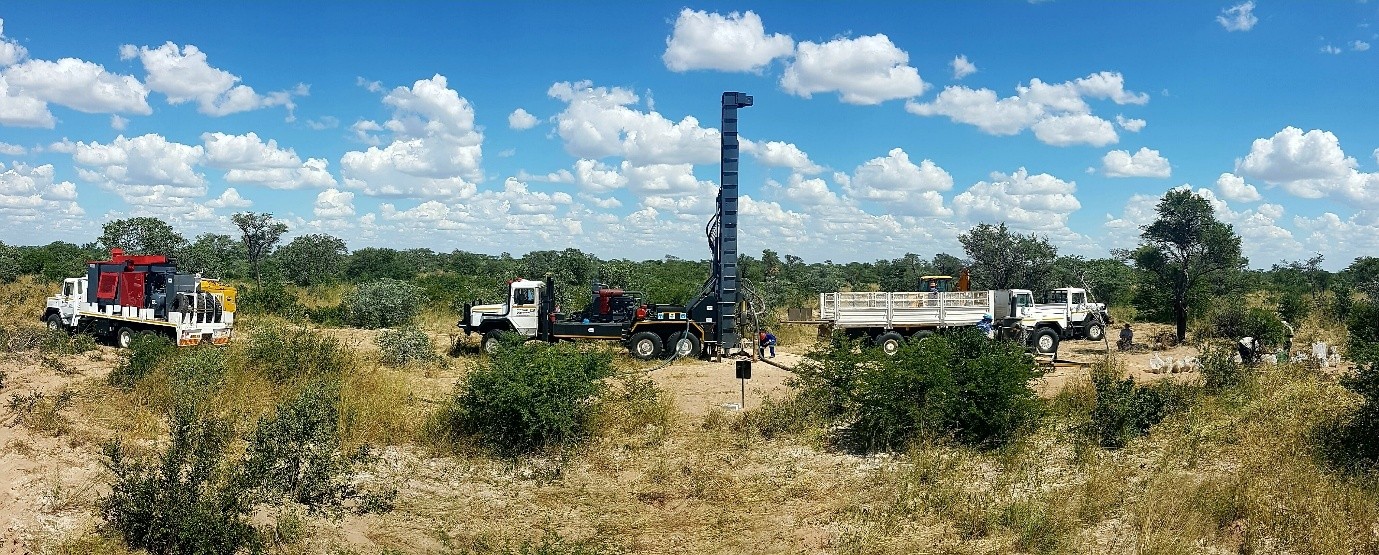
Figure 6: Drilling on the Maibwe project, Central Kalahari, Botswana
In summary, Sekaka/KX36 and Maibwe form the core of BMIN’s legacy diamond portfolio in Botswana. During 2024–2025, the Company ensured these projects remained in good standing through licence renewals and ownership consolidation, integrating them into its broader exploration strategy. Although the immediate focus may be on new AI targets, these legacy projects represent tangible diamond resources and discoveries that underpin the Company’s valuation. The strategy is to hold and develop these diamond assets at low cost in the short term (via studies, permitting, JV options, etc.), allowing BMIN to proceed with development or monetisation when market conditions improve.